
The AISNE accreditation process is underpinned by four core values:
Reflection: Through the AISNE accreditation process, schools conduct a thorough, honest, and inclusive community-wide self-study process to document current practices, identify areas of strength and weakness, and define future priorities.
Affirmation: Visiting Teams use the evidence they collect through an on-site visit to validate what the school has identified in its own reflective processes as strengths and areas for improvement, and to document any gaps in the school’s understanding of its own practices.
Accountability: In order to maintain their accreditation for the full 10-year cycle, schools are required to take action in the areas identified by the Visiting Team as being in need of improvement and to remedy any deficiencies related to AISNE’s Standards for Accreditation.
Transformation: Through the process of reflection and external evaluation, schools gain the insight they need to identify priorities for future action. The accountability built into AISNE’s accreditation cycle ensures that schools are making progress in ways that bolster organizational health, sustainability, and effectiveness, all in the interest of improving student learning and wellbeing.
How Does the Process Work?
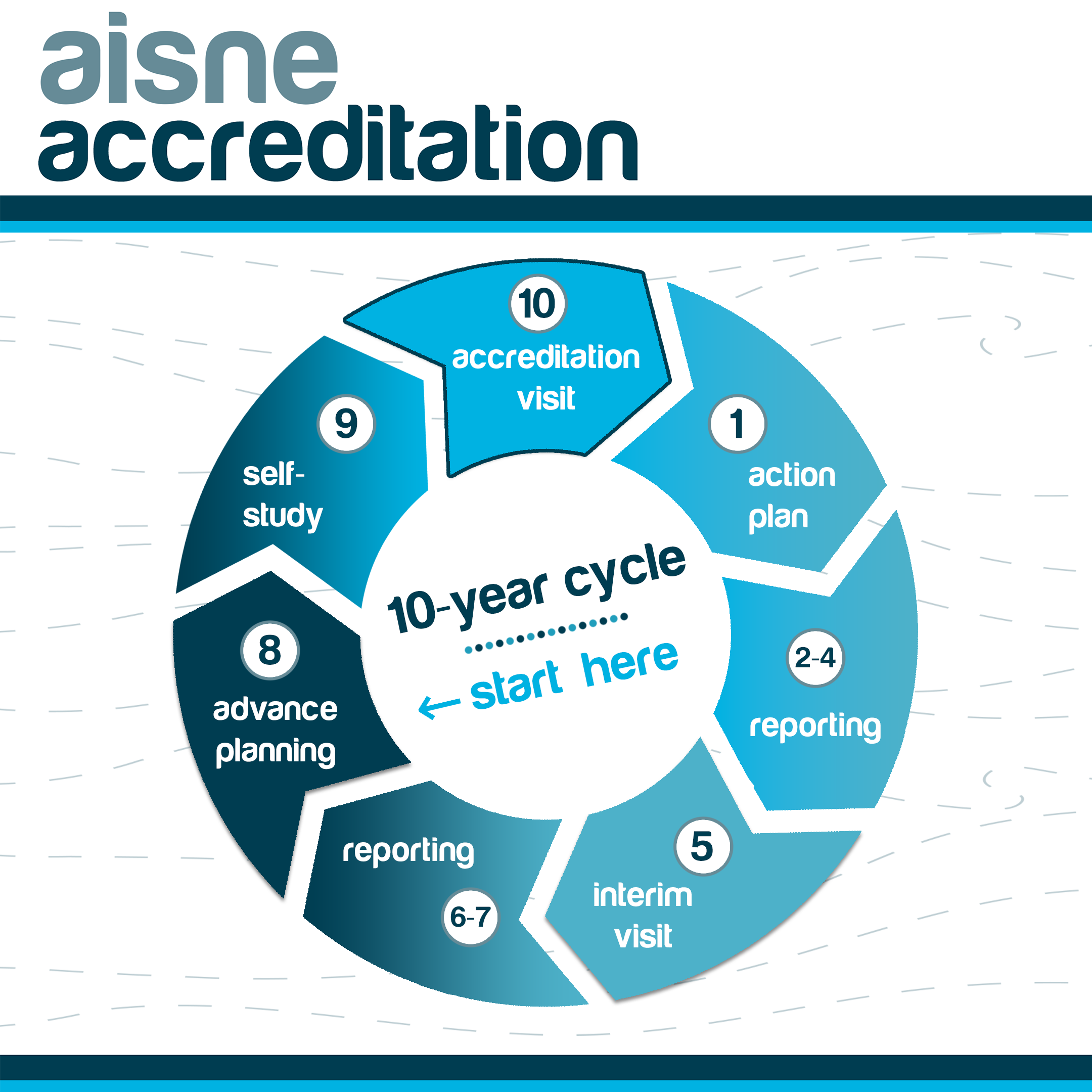
AISNE Accreditation is a 10-Year Cycle of self-reflection, goal-setting, peer review, and accountability that is designed to support each school in optimally fulfilling its unique mission.
Planning & Preparation
Before the launch of the decennial accreditation process, school teams collaborate with AISNE staff to ensure they are ready to engage in the Self-Study and Site Visit processes. Together, school leaders and AISNE staff consider the size and composition of the Visiting Team, identifying the right peer schools and types of expertise that AISNE should consider when building the team from its pool of volunteers.
Self-Study
While many schools have their own internal mechanisms for ongoing reflection, AISNE’s accreditation process ensures that every 10 years a school engages in a rigorous Self-Study that involves reflecting on, assessing, and affirming its practices in relation to its mission. Generally conducted over the space of 1-2 academic years, the Self-Study process is mission-focused, standards-based, comprehensive of all aspects of school life, and inclusive of representatives of all of the school’s stakeholder groups.
Site Visit
Following the Self-Study, the school hosts a Visiting Team composed of professionals from other independent schools—such as Heads of School, teachers, and administrators—trained by AISNE to conduct an evidence-based assessment of the school’s alignment with the AISNE Eligibility Criteria and Standards for Accreditation. Additionally, the Visiting Team evaluates the congruence of the school’s educational program and practices with its stated mission, ensuring the school is keeping its promises to students and families.
Documentation
The Visiting Team produces a Visiting Team Report documenting their findings and providing commendations and recommendations to guide the school’s continuous improvement over the next 10 years of its AISNE Accreditation Term.
Action Planning
Within one year of the Site Visit, schools are required to submit a plan to AISNE outlining how the Major Recommendations from the Visiting Team Report will be addressed.
Interim Reporting
Each year schools are required to submit an Annual Report documenting any substantive changes in the school’s leadership, program, or operations. At the midpoint of the accreditation cycle, schools submit a more comprehensive report documenting progress toward addressing the Major Recommendations from the Visiting Team Report, and host a 1-day site visit focused solely on those areas identified for improvement.
People
AISNE’s accreditation process involves community members of all types, from those at the school level participating in the reflective Self-Study process to those acting as Visiting Team members, those serving as reviewers, and those making final accreditation decisions:
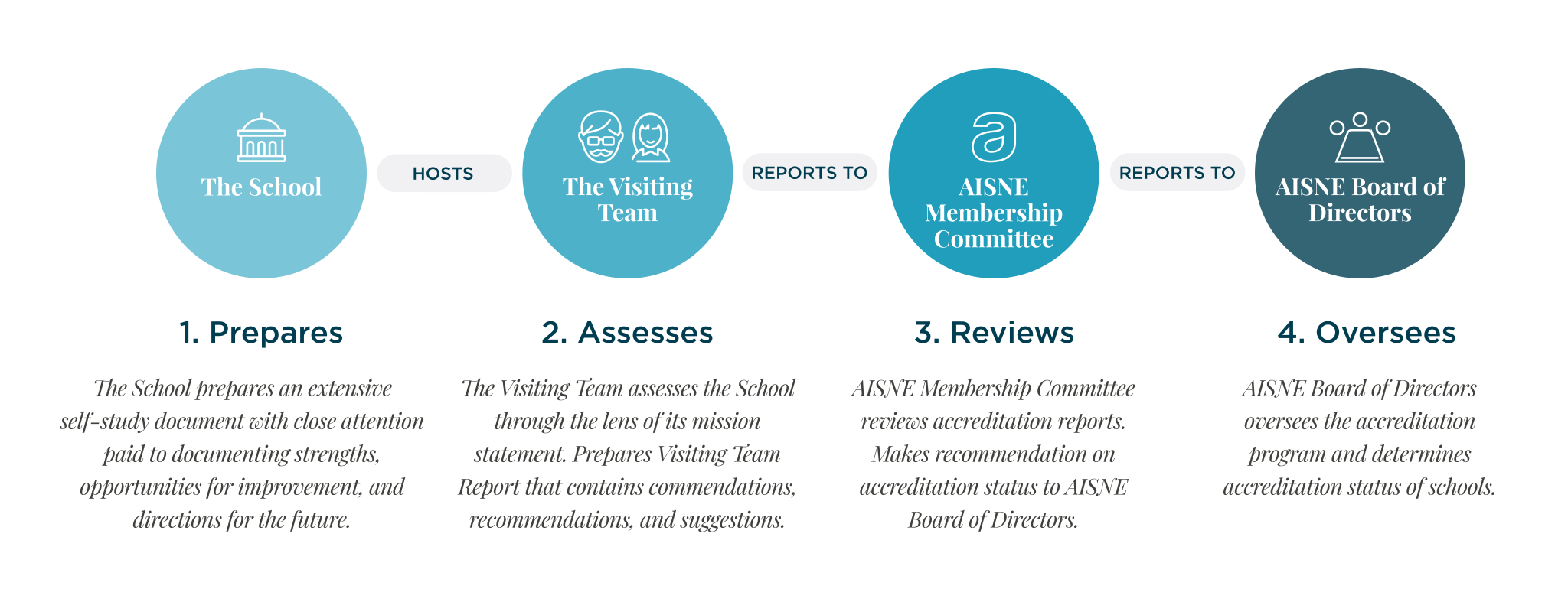
AISNE’s accreditation process is guided by the thoughtful engagement of a group of Heads of School who volunteer to serve on AISNE’s Membership Committee. Meeting quarterly, this group reviews accreditation reports and makes recommendations around accreditation decisions to AISNE’s Board of Directors. In addition, the Membership Committee provides thought partnership and strategic direction to the accreditation process, overseeing policy change and programmatic implementation and recommending process improvements.
2026-27 Membership Committee
Danielle Heard

Kira Donnelly

Julia Heaton
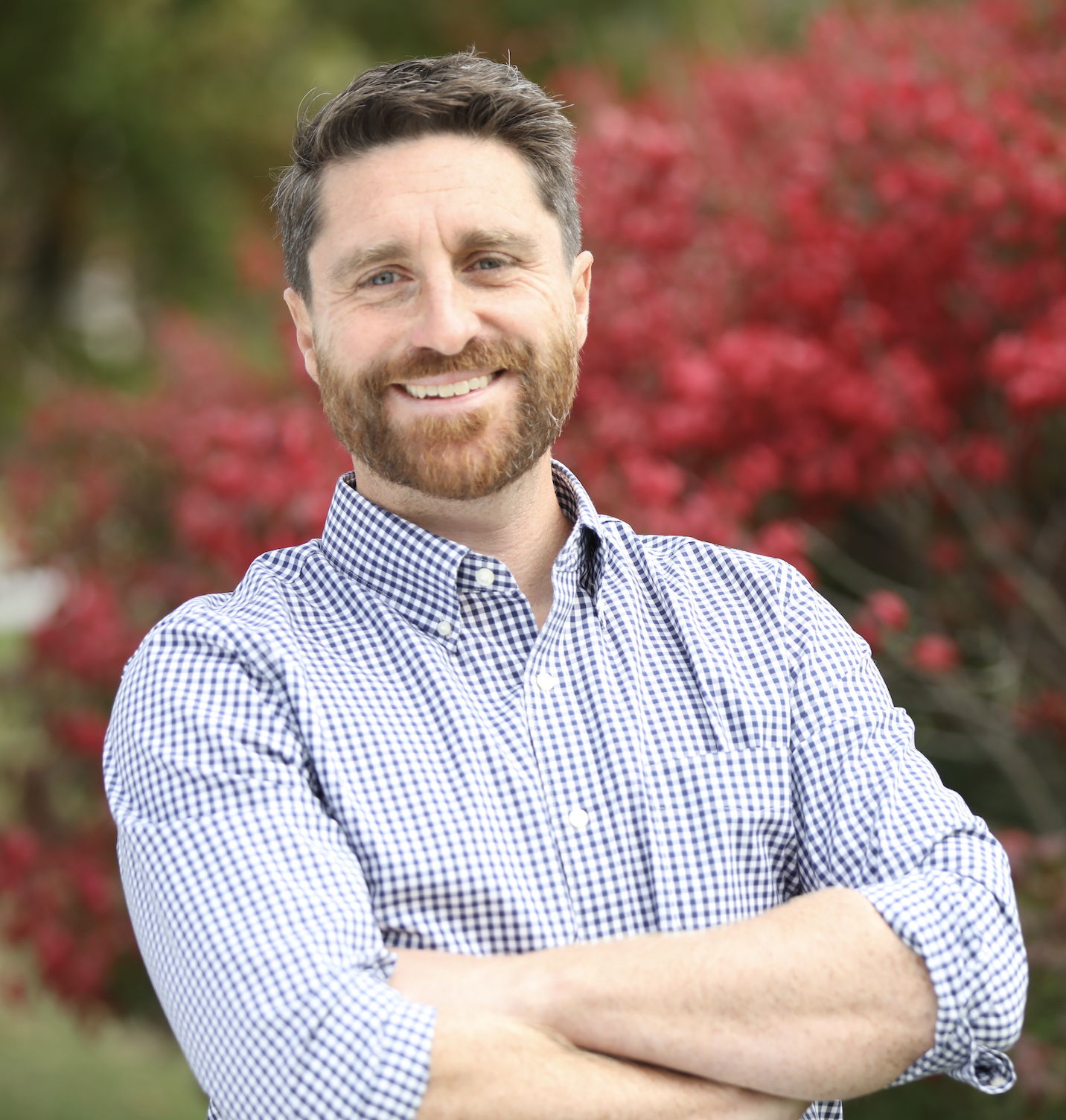
Colin Igoe

Tim Johnson

Brendan Largay
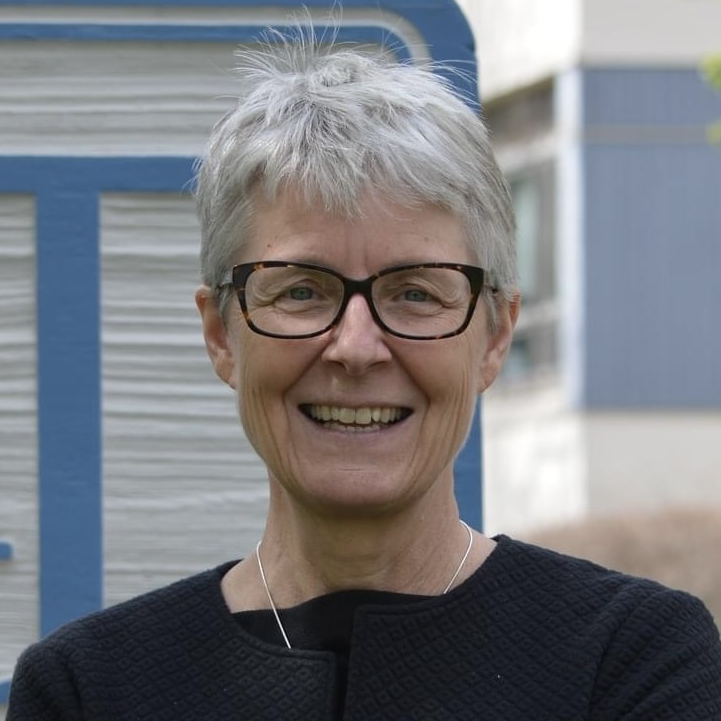
Stephanie Luebbers
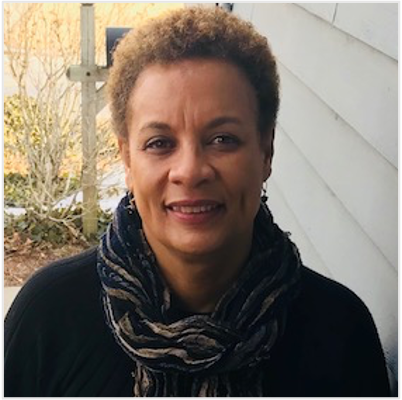
Dr. Kimberly Ridley

Margaret Schlachter
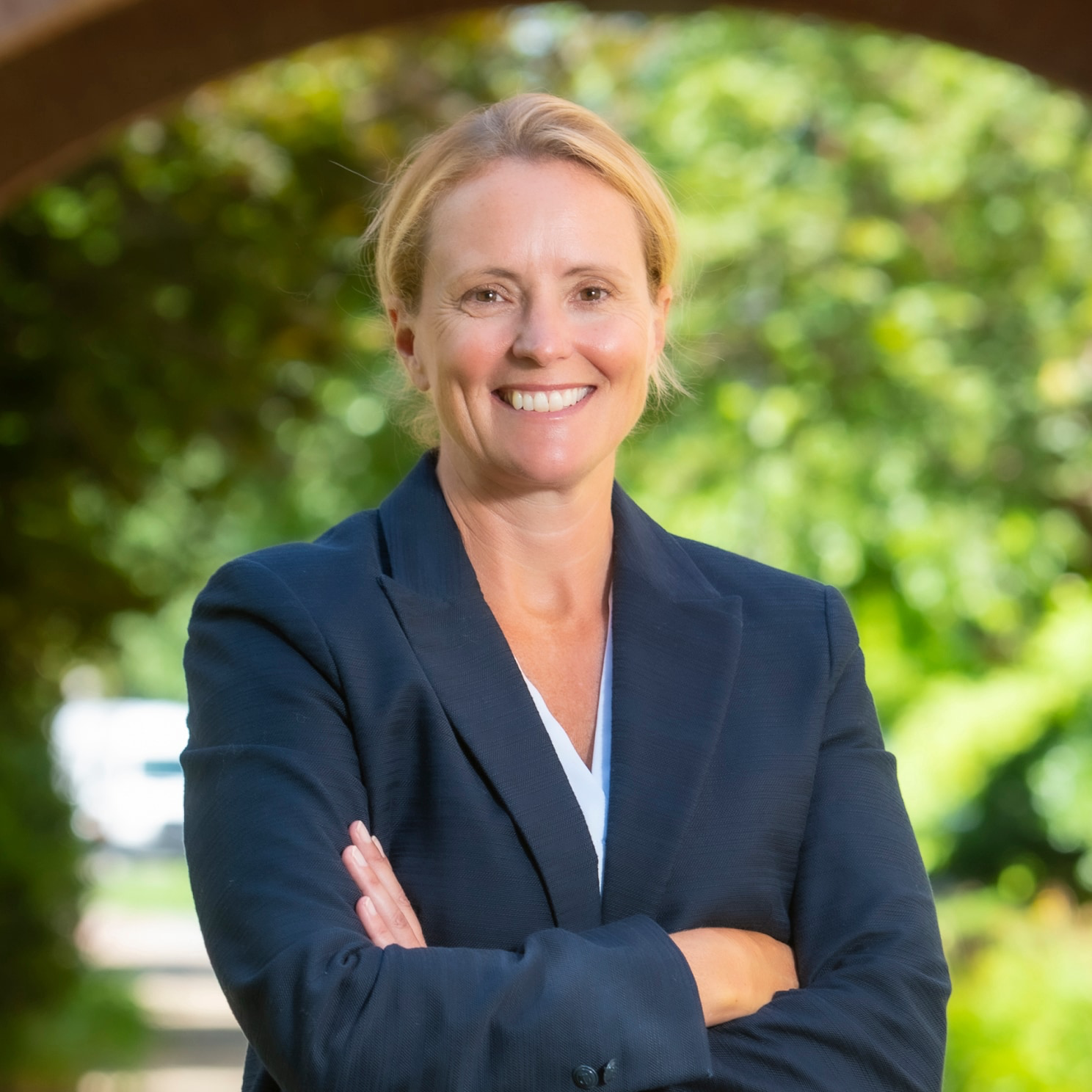
Katie Titus

Serena Wilkie Gifford

Michael Wirtz

Scott Young
In addition to the Membership Committee, AISNE’s accreditation process relies on the hard work and volunteerism of many members of the AISNE community, particularly those faculty, staff, and administrators who serve as members of Visiting Teams. An exceptional professional development opportunity, Visiting Team members receive training from AISNE staff prior to devoting 3.5 days to an onsite visit, during which they are immersed in the life of the school being accredited. Interested? Volunteer to serve on a Visiting Team.
Throughout all stages of the process, AISNE staff supports, encourages, and celebrates the school’s commitment to continuous improvement.
Contact Us
Questions about AISNE accreditation? Contact Beth Friedman, Director of Accreditation.